
HbA1c Diabetic Monitoring: What It Is and How It Helps You Manage Diabetes
April 20, 2026Tags: Diabetes, Endocrinology
Understanding HbA1c and Why It Matters
If you are living with diabetes, you have likely heard of the HbA1c test. But what does it actually measure, and why is it so important?
HbA1c, also known as the A1c test, is a simple blood test that shows your average blood sugar levels over the past two to three months. Unlike daily glucose checks, which capture a single moment in time, HbA1c provides a broader picture of how your blood sugar has been managed over time.
This long-term view helps both patients and providers better understand how well a diabetes care plan is working.

What Does the HbA1c Test Measure?
HbA1c measures how much glucose is attached to your hemoglobin, the protein in red blood cells that carries oxygen throughout your body. Because red blood cells live for about three months, the test reflects your average blood sugar during that time period.
Results are given as a percentage:
- A lower percentage generally means better blood sugar control
- A higher percentage may indicate the need for changes in your care plan
Your primary care provider will help determine your personal target range based on your health needs.
How Often Should You Get an HbA1c Test?
Most people with diabetes should have their HbA1c checked every 3 to 6 months.
Your Primary Care Provider may recommend more frequent testing if:
- Your treatment plan has recently changed
- Your blood sugar levels are not well controlled
- You are newly diagnosed
Regular monitoring helps ensure your care plan stays on track.
How HbA1c Monitoring Helps Manage Diabetes
One of the biggest challenges of diabetes is understanding patterns over time. That is where HbA1c monitoring becomes especially helpful.
A Bigger Picture of Your Health
Instead of relying only on daily finger-stick readings, HbA1c shows trends. This helps answer questions like:
- Are your medications working effectively?
- Are your eating habits supporting stable blood sugar levels?
- Are there patterns that need to be addressed?
More Informed Care Decisions
HbA1c results help your healthcare team:
- Adjust medications if needed
- Recommend lifestyle changes
- Identify risks for complications earlier
This makes your care more proactive rather than reactive.

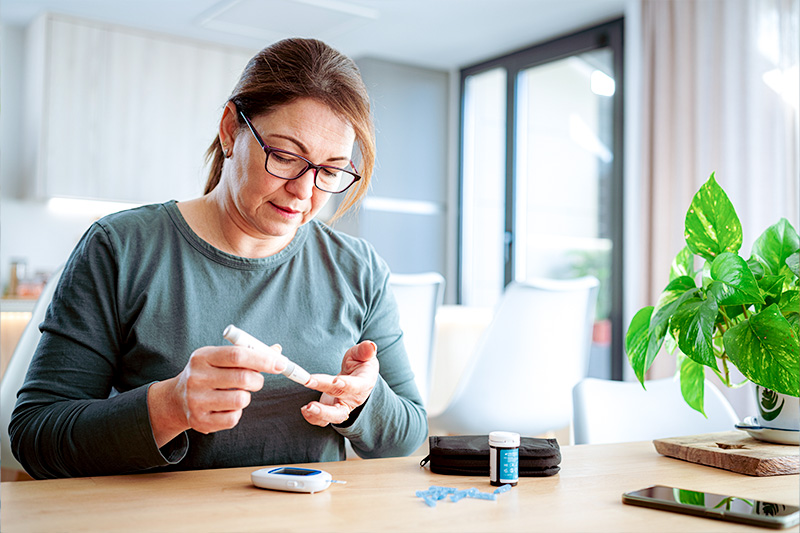
Does HbA1c Monitoring Make Living with Diabetes Easier?
For many people, the answer is yes. While daily monitoring is always important, knowing your average blood sugar benchmarks is key to taking control of your health.
Less Guesswork, Greater Confidence
Knowing your average blood sugar levels can help you plan your life in a more intentional way by:
- Reducing uncertainty about how you are doing overall
- Helping you feel more in control of your condition
- Providing reassurance when your efforts are working
Supporting Long-Term Health
Keeping HbA1c within your target range can lower the risk of complications such as:
- Heart disease
- Kidney disease
- Nerve damage
- Vision problems
While daily management is still important, HbA1c gives you a clearer roadmap for long-term health, granting you the ability to take control of your condition with confidence.
Tips for Improving Your HbA1c
If your HbA1c is higher than your target, small, consistent changes can make a big difference over time.
Everyday Strategies
- Follow a balanced, diabetes-friendly diet
- Stay physically active
- Take medications as prescribed
- Monitor your blood sugar regularly
- Manage stress and prioritize sleep
Even gradual improvements can lead to meaningful changes in your HbA1c.

Frequently Asked Questions about HbA1c Monitoring
For people without diabetes, HbA1c is typically below 5.7 percent. For those with diabetes, target levels vary, but many aim for below 7 percent. Your provider will guide you based on your individual needs based on your personal average.
No. HbA1c complements daily monitoring but does not replace normal daily monitoring. Both methods are important for effective diabetes management.
Think of HbA1c as a birds-eye view of your blood sugar levels over an extended period of time, whereas your daily monitoring offers you an immediate and most up-to-date snapshot of your current blood sugar levels.
HbA1c reflects long-term trends, so changes take time. However, consistent daily habits can gradually improve your results.
HbA1c testing requires a simple blood test, similar to other routine lab work, and usually causes minimal discomfort.
Your provider may recommend changes to your medications, diet, or activity level to help bring your levels closer to your target range.
Partnering With Your Care Team
Managing diabetes is not something you have to do alone. Your healthcare team is there to support you every step of the way. By combining regular HbA1c monitoring with personalized care, you can build a plan that fits your life and helps you feel your best. If you are interested in starting HbA1c monitoring and taking control of your health, our Primary Care Providers are ready to speak with you.